
How Barcode Scanners Improve Scientific Research
Technology is constantly evolving. New machines and tools are being created every day to better society. How do we keep up with these advancements? How do we make sure that we are providing the world with the safest, best, and most complete resources it needs?
The answer is simple: data. Well-documented data is the difference between theory and fact, between dreams and reality. But collecting that data can be difficult. It’s a challenging process that scientists always hope can become easier.
Fortunately, one readily available tool is improving that process: the barcode scanner. With portable barcode scanners, scientists can capture their data automatically. How exactly is the barcode scanner doing this? What makes it so special? Read on to learn more about how barcode scanners improve scientific research.
What Is Barcoding?
Barcoding is a way of automatically collecting data and transmitting it to a computer. The data being collected is found on a barcode. A barcode is a collection of black bars and white spaces that represent letters or numbers. These bars and spaces together create the barcode’s language, a form of symbology. A barcode printer is used to print the barcode onto a label, tag, or ribbon, which is then attached to an item such as a slide or specimen container to identify it.
What Is a Barcode Scanner and How Does It Work?
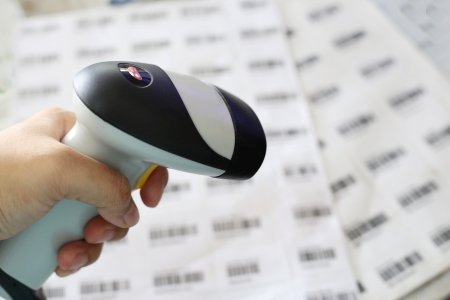
So how do people get the information they need from a barcode? They use a barcode scanner, sometimes called a barcode reader. It’s a device that reads the symbology of a barcode and then sends that data to a computer. How? It mainly comes down to light. The light from the scanner passes over the bars and spaces of the barcode. The black bars of the barcode absorb the light, while the white spaces reflect it. The scanner’s light detector transforms this light into electrical signals, then turns those signals into binary ones and zeros that represent specific numbers and letters.
How Are Barcodes Used in Scientific Research?
Barcodes, and by extension barcode scanners, are used by labs around the world. They help researchers automatically recognize specific plates, tubes, slides, and specimens. Barcodes provide researchers with information about a sample’s condition, volume, status, and the results of any tests it might have undergone. These details help researchers keep everything organized.
But what barcodes do most effectively is greatly reduce the potential risk of error. With barcodes, scientists can track samples they are using across numerous locations. This type of system all but guarantees that there no major mistakes will compromise researchers’ data. They can feel confident in their findings and apply them appropriately.
Researchers, labs, hospitals, and other organizations are using barcodes more than ever. 2025 saw the highest global sales ever for barcode printers, with the market expected to grow at a compound annual growth rate (CAGR) of 6.8% through 2035. The market for scanners is almost twice that size, with a CAGR of 5.89% through 2034. We would love to have you join our community of scientific research partners.
If you have any questions about our barcode scanners, printers, or other products, please contact us. We’re here to help!